


League of Women Voters event highlights contrasts on elections, transparency ahead of 2026 race
SAN LUIS OBISPO — Three candidates for San Luis Obispo County clerk-recorder outlined differing views on election integrity, modernization, and public trust during a candidate forum hosted April 7 by the League of Women Voters of San Luis Obispo County.
The forum, held at the Ludwick Community Center and streamed online via SLO-SPAN and YouTube, brought together candidates Gaea Powell, Elaina Cano, and Vanessa Rozo for a wide-ranging discussion on elections, property records, and voter access. The event was moderated in partnership with AAUW Atascadero and AAUW Five Cities–Pismo Beach.
Each candidate opened with remarks highlighting their experience and priorities heading into the 2026 election.
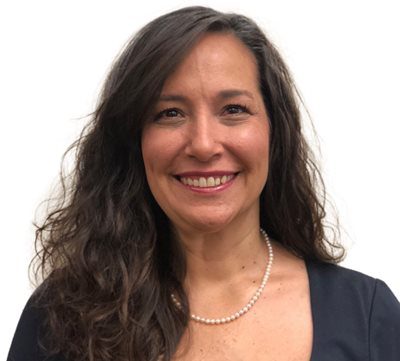
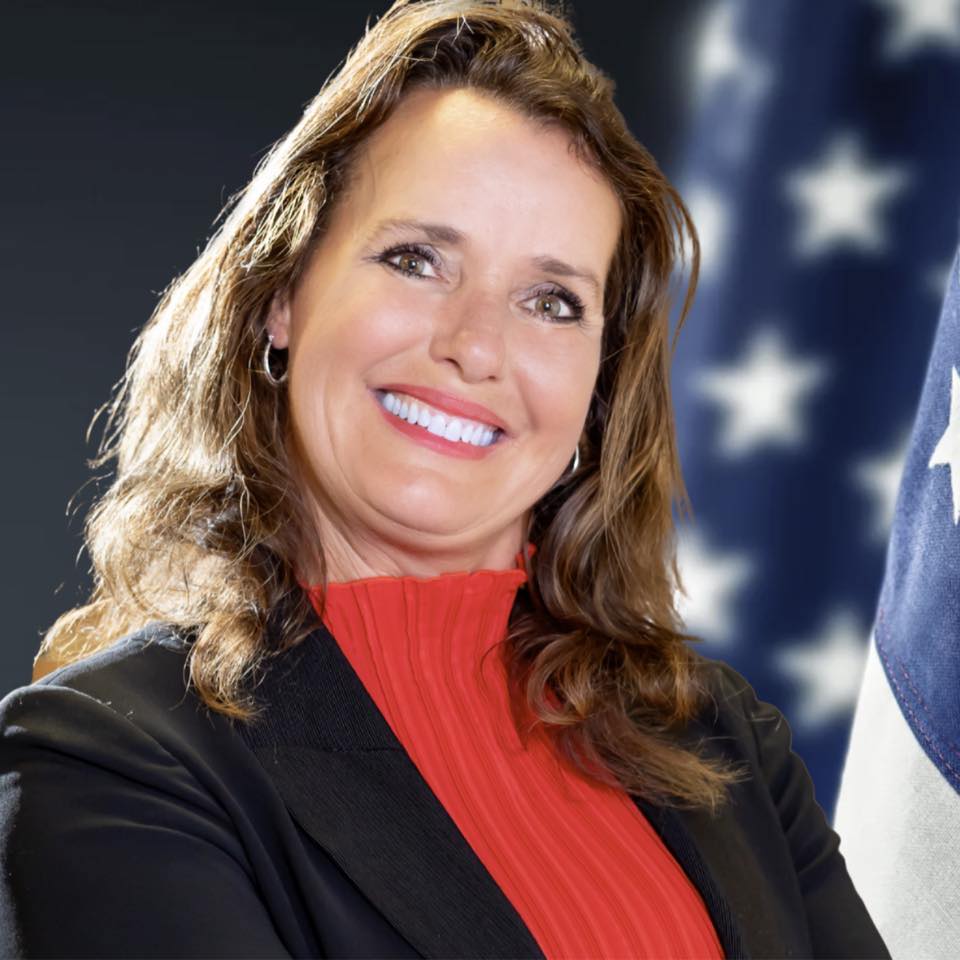

Gaea Powell, a business consultant, framed her campaign around election reform and accountability, describing herself as a “constitutional candidate.” She said she supports voter identification requirements, proof of citizenship, and improved voter roll maintenance as measures to strengthen public confidence in elections.
“My leadership philosophy is rooted in constitutional governance, measured performance, and principled public service,” Powell said.
Powell, who has been accused of multiple election-related offenses, appeared in San Luis Obispo County Superior Court on April 2 for a preliminary hearing. Representing herself, she was ordered to stand trial on charges of voter registration fraud related to the 2022 and 2024 Arroyo Grande mayoral elections. The case is expected to proceed in the coming months. At this time, the charges do not disqualify Powell from running for San Luis Obispo County clerk-recorder. Read the full story on A1.
Cano, the incumbent clerk-recorder, emphasized her experience in the role and the importance of maintaining trust and accuracy in administering elections and safeguarding public records.
“The county clerk-recorder’s office and my job specifically is built on public trust and transparency, accuracy, and, of course, most importantly, experience,” Cano said.
Rozo, a paralegal and small business owner, focused on restoring public confidence through community engagement, noting she has spent months listening to residents’ concerns.
“The biggest thing … is the word 'trust,'” Rozo said. “I have been out listening to the community.”
One of the first questions addressed the validity of the 2020 presidential election, a topic that has remained a point of contention nationwide.
Cano responded unequivocally, citing extensive safeguards within California’s election system.
“Yes, they are valid,” she said. “There are so many checks and balances … I 100% agree that the 2020 elections were accurate and fair and honest.”
Rozo emphasized reliance on verified information and legal standards.
“I base everything on facts,” she said. “If the law shows that we are rightfully counting the ballots … I believe all things are proven through that type of integrity.”
Powell said she could not definitively confirm the election’s validity but pointed to widespread public skepticism.
“I don’t have the actual facts to prove if they were legitimate or not,” she said, adding that public doubt itself is a concern.
The forum then shifted to how candidates would ensure elections remain secure and accessible.
Rozo called for modernization, including the adoption of vote centers and electronic poll books to streamline the voting process.
“One of the big things that needs to be done … we need to update our process,” she said, expressing concern about ballot handling.
Powell opposed expanding technology in elections, citing potential vulnerabilities.
“I don’t believe that we need more electronics and more things that can possibly go wrong,” she said.
Cano defended existing systems, particularly chain-of-custody procedures for ballots.
“That is called chain of custody,” she said. “That is called looking at it and making sure that your ballot is going to be counted and processed accurately.”
On voter registration accuracy, candidates differed on how to address issues such as ballots being sent to outdated addresses.
Powell argued that widespread mail-in voting contributes to the problem and suggested eliminating absentee ballots in favor of in-person voting.
“I think the only way to eliminate that problem … is we get rid of absentee ballots,” she said.
Cano said maintaining accurate registration records ultimately depends on voters updating their information.
“It is voters’ responsibility to make sure that they update their own voter registration,” she said.
Rozo proposed a hybrid approach, suggesting expanded vote centers alongside a return to requested absentee ballots rather than universal mail-in voting.
“Our communities have grown exponentially,” she said. “Wouldn’t you be more excited about going to vote if you could go anywhere in the county that fits your day?”
The discussion also addressed the clerk-recorder’s role in protecting property records from fraud.
Powell said she would begin by evaluating current systems to ensure efficiency and safeguard property owners.
“It’s really important … to make sure that landowners’ rights are being protected,” she said.
Cano pointed to existing protections, including collaboration with the District Attorney’s Office and a notification system that alerts property owners when documents affecting their property are recorded.
“You will be notified … if ever there is any fraudulent activity,” Cano said.
Rozo expressed support for similar systems and emphasized collaboration with law enforcement and industry professionals.
“I’m going to listen to your story, and I’m going to find out the truth,” she said.
All three candidates agreed that voter education is a key factor in increasing participation.
Cano cited outreach efforts across diverse communities, while Rozo highlighted work with college students and seniors. Powell pointed to declining civics education as a broader challenge.
“I think it’s very important … to coordinate with the schools,” Powell said.
Candidates also outlined their leadership styles, with Rozo emphasizing organization and teamwork, Powell focusing on operational efficiency, and Cano highlighting accessibility and responsiveness.
In closing questions, candidates addressed voter identification laws and privacy protections.
Powell voiced strong support for voter ID requirements, calling them “common sense.” Cano said she would follow any enacted law while maintaining a nonpartisan approach, and Rozo said she would also comply with legal standards while supporting identification measures.
On voter privacy, Cano emphasized transparency and legal safeguards, encouraging residents to observe election processes firsthand. Rozo suggested reforms to vote-by-mail procedures to enhance privacy, while Powell said she would review existing systems to ensure protections remain strong.
The forum concluded with closing statements, with each candidate reiterating their priorities.
Rozo emphasized service and restoring trust, Cano pointed to her record in office and commitment to continued service, and Powell highlighted the importance of election integrity and accountability.
The event offered voters a detailed look at the candidates’ positions as the race for San Luis Obispo County clerk-recorder moves toward the 2026 election. Elections for local and county offices follow the statewide schedule, with the primary set for June 2 and the general election on Nov. 3 if no candidate secures a majority. Most voters will receive vote-by-mail ballots about a month before Election Day, with early voting options available in the weeks leading up to the election.
The Candidates Forum can be viewed on the League of Women Voters YouTube page at youtube.com/watch?v=jtrD8jIEPWc